January 11, 2026
Explore innovative ideas and expert tips on how a cement contractor can transform your outdoor areas, providing functionality and aesthetic appeal. Cement, with its versatility and durability, has become an essential material in the construction industry, especially for creating functional and beautiful outdoor spaces. As homeowners and designers strive for outdoor areas that are not only practical but also visually pleasing, the role of cement in such transformations cannot be understated. With insights into design, material selection, and sustainable practices, you can achieve outstanding results that enhance your property's value.
Innovative Ideas for Cement Patios
Designing a Layout that Complements Your Home
Creating a cohesive design that integrates seamlessly with your home is essential for a successful patio project. Start by assessing the architectural style and existing landscape to inform design choices that enhance your property's overall aesthetic. Consider elements like shape, size, and flow to ensure the patio harmonizes with both the home and the surrounding outdoor space. Incorporate features like built-in seating or outdoor kitchens to maximize functionality while maintaining visual coherence. Thoughtful design helps create a patio that serves as a seamless extension of indoor living areas.
Incorporating Inlays and Stamped Patterns
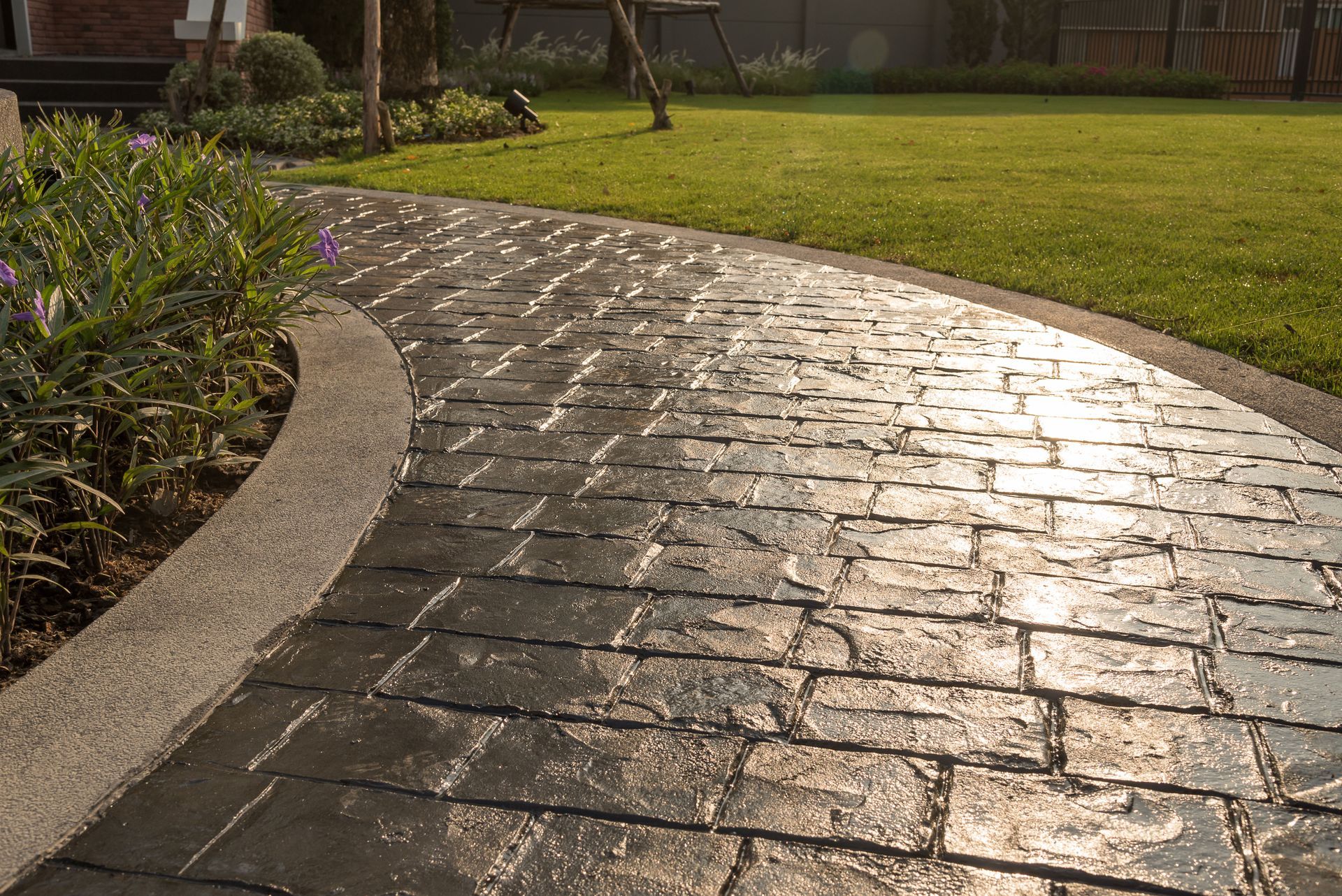
Inlays and stamped patterns offer an opportunity to add visual interest and customization to cement patios. Choose from a variety of patterns such as cobblestone, brick, or slate to achieve a distinctive look that complements your home's style. Inlays can feature contrasting colors or designs to create focal points or guide the eye along certain pathways. These decorative techniques not only enhance the aesthetic appeal but also add a personal touch to your outdoor space. Working with a skilled cement contractor ensures precise execution of patterns and inlays for a polished finish.
Maintenance Tips for Prolonging the Life of Your Patio
Regular maintenance is crucial for keeping your cement patio looking its best over the years. Begin by sealing the surface to protect against stains, weather, and wear, reapplying the sealant as recommended by the manufacturer. Periodic cleaning with mild detergent and a power washer removes dirt and debris, preventing buildup and discoloration. Address cracks or chips promptly to prevent further damage and preserve aesthetics, utilizing repair products or professional services as needed. A well-maintained patio not only enhances curb appeal but also extends the lifespan of the cement, making it a valuable investment.
Enhancing Curb Appeal with Cement Driveways
Choosing a Style: Traditional vs. Contemporary
Selecting a driveway style that complements your home's architecture is crucial for cohesive exterior design. Traditional styles often feature classic, understated designs that prioritize function and basic aesthetics with straight lines and muted colors. In contrast, contemporary driveways may incorporate curvilinear forms, bold patterns, or mixed media for a strikingly modern look. Considerations such as the home's facade, landscape elements, and neighborhood context play a role in choosing the most appropriate style. Collaborating with an expert can help navigate design decisions to enhance curb appeal and reflect personal style.
Customizing the Texture and Finish of Your Driveway
A driveway's texture and finish significantly influence its appearance, performance, and maintenance needs. Exposed aggregate offers a textured surface with a rugged, natural look that provides added traction. A broom finish creates subtle lines in the cement, offering understated elegance while enhancing slip resistance. Alternatively, polished or stamped finishes can mimic high-end materials like stone or brick, impacting a refined appearance. Selecting the right texture and finish for your driveway involves balancing aesthetic preferences with functional requirements, guided by the expertise of an experienced cement contractor.
Incorporating Decorative Borders and Edge Treatments
Decorative borders and edge treatments enhance a driveway's visual appeal, providing a defined and polished appearance. Borders can be crafted using different materials or colors to create contrast, accentuating the driveway's shape and entrance. Edge treatments, such as rounded, beveled, or decorative curbs, add a sophisticated touch and facilitate smooth transitions to adjoining surfaces. These details can be tailored to match your home's architectural style and overall landscaping design. Engaging in these decorative elements allows for greater personalization and growth in property value.
Creating Functional and Attractive Cement Walkways
Mapping Out the Direction and Flow of Your Walkway
The design and layout of a cement walkway influence both its functionality and aesthetics. Begin by considering the natural paths and entry points to establish an intuitive flow that connects different areas of your property. Curved or meandering designs can add visual interest, while straight paths provide a more formal and direct transition between spaces. Balance considerations of practicality, safety, and aesthetics to create a seamless integration with the surroundings. Well-planned walkways enhance overall usability and contribute to the cohesive look of your outdoor spaces.
Exploring Different Cement Patterns and Textures
Personalize your cement walkways by exploring various patterns and textures that align with your design vision. Options range from simple broom finishes to complex stamped designs resembling natural stone, brick, or wood. Textured surfaces can enhance slip resistance, important for high-traffic areas prone to wet conditions. Custom patterns or inlays can create focal points or visually guide the walkway. Collaborating with an experienced cement contractor allows you to achieve desired patterns and textures while maintaining structural integrity and durability.
Ensuring Accessibility and Compliance with Regulations
Ensuring accessibility and compliance with local regulations is paramount in designing functional cement walkways. Consider ADA guidelines for width, slope, and tactile warnings to ensure accessibility for all users, including those with mobility challenges. Design solutions like smooth transitions, adequate spacing, and gentle inclines contribute to accessible pathways. Consult with regulatory agencies and an experienced cement contractor to address any compliance concerns at the design stage. According to the World Concrete Association via Nature, around 30 billion tonnes of concrete are used globally every year, highlighting the value of a skilled cement contractor in project planning and delivery. Compliance ensures that walkways provide inclusive and equitable access for residents and visitors alike.
Cost Considerations for Cement Outdoor Projects
Breaking Down Material and Labor Costs
Understanding material and labor costs is essential when planning cement outdoor projects. Material costs can vary depending on project scale, design complexity, and the choice of specialized finishes or reinforcements. Labor expenses account for a significant portion of the budget, reflecting the expertise and time required for each phase of installation. Additionally, it's important to consider factors like permit fees or potential site preparation costs in the overall budget.
Budget-Friendly Design Alternatives
For budget-conscious homeowners, numerous design alternatives exist that allow for cost-effective cement projects without sacrificing quality or aesthetics. Simplifying project scope, using economical materials, or opting for basic finishes can lower expenses. Incorporating partial custom elements, like applying color or a limited number of patterns, provides the opportunity for personalization within budget constraints. Moreover, phased implementation allows spreading costs over time as funds become available. Creativity, careful planning, and prioritizing essential elements ensure affordable yet satisfactory outcomes.
Planning for Long-Term Maintenance Expenses
When budgeting for cement projects, consider long-term maintenance expenses to ensure optimal upkeep and performance. Periodic sealing and cleaning are simple yet effective strategies for prolonging the life and aesthetics of cement installations. Allocate funds for potential repairs as needed, particularly for high-traffic or weather-exposed areas. Additionally, budget for ongoing landscape management around cement surfaces to maintain visual harmony and seamless integration. A proactive approach to maintenance planning supports the enduring value and enjoyment of cement outdoor projects.
Cement serves as a versatile and durable foundation for transforming outdoor spaces into functional, attractive, and long-lasting areas. From patios and driveways to walkways, thoughtful design choices, creative patterns, and quality craftsmanship can elevate both the aesthetic appeal and usability of your property. By collaborating with an experienced cement contractor, homeowners can ensure projects are executed efficiently, comply with regulations, and stand the test of time. With proper planning, material selection, and maintenance, cement installations not only enhance curb appeal but also provide practical, sustainable solutions for outdoor living, making them a valuable investment in both style and functionality. Contact MAAP CONCRETE today get started with quality cement services.